 KPMI


Articles
- Page Path
- HOME > J Powder Mater > Volume 33(5); 2026 > Article
-
Research Article
- Thermite-Assisted Cu-Coated Al Powder as a Solid Propellant: Expanding the Use of Coarse Al Powder
- Soo-ho Jung1,*, Jinhee Bae1, Ji Hun Yu1, Ho sung Kim2, Soo Hyung Kim3
-
Journal of Powder Materials 2026;33(5):356-364.
DOI: https://doi.org/10.4150/jpm.2026.00206
Published online: October 31, 2026
1Nano Materials Research Division, Korea Institute of Materials Science, Changwon 51508, Republic of Korea
2Research Center of Energy Convergence Technology, Pusan National University, Busan 46241, Republic of Korea
3Department of Nanoenergy Engineering, College of Nanoscience and Nanotechnology, Pusan National University, Busan 46241, Republic of Korea
- *Corresponding author: Soo-ho Jung E-mail: chungleo@kims.re.kr
© The Korean Powder Metallurgy & Materials Institute
This is an Open Access article distributed under the terms of the Creative Commons Attribution Non-Commercial License (http://creativecommons.org/licenses/by-nc/4.0/) which permits unrestricted non-commercial use, distribution, and reproduction in any medium, provided the original work is properly cited.
- 157 Views
- 4 Download

Abstract
- Aluminum (Al) powder is a key fuel for solid propellants, but its native oxide (Al2O3) layer acts as a diffusion barrier, resulting in incomplete combustion. Although coarse Al powders offer excellent handling stability, their reactivity is considerably lower. To address this limitation, we coated Al powders with copper (Cu) by electroless plating to form a dual-layer shell with an outer Cu layer and an inner Al2O3 layer. During combustion, the Cu layer induces a thermite reaction at the powder surface, generating intense thermal stress that ruptures the dense oxide shell and promotes oxidation of the internal Al core. Thermogravimetric analysis and differential scanning calorimetry showed higher reactivity and significantly greater heat release in the Cu-coated Al (Cu/Al) powders. In combustion and propulsion tests, the 35 μm Cu/Al powder achieved maximum explosion pressures and pressurization rates comparable to those of pristine 5 μm Al powder, together with a higher specific impulse. This surface modification improves the combustion efficiency of coarse Al powders and offers a promising route to high-performance solid propellants. However, the reduced margin against electrostatic discharge must be considered during handling.
- Time-dependent copper coating fully encapsulates coarse aluminum powder. During combustion, this Cu layer induces a localized thermite reaction on the surface, generating additional thermal stress to rupture the native oxide shell. Consequently, the modified powders demonstrate enhanced maximum explosion pressure and total impulse.
Graphical abstract
- Aluminum (Al) powder has been widely utilized as a key metallic fuel to enhance the specific impulse of solid propellants and energetic materials due to its excellent energy density and high heat of combustion [1-9]. However, in actual combustion environments, Al powder suffers from a critical limitation: it fails to fully realize its theoretical heat release due to the dense native oxide layer (Al2O3) formed on the particle surface. This oxide shell acts as a diffusion barrier to oxygen and heat, leaving a substantial amount of unreacted Al core as dead-weight residue after the reaction. To mitigate this degradation in combustion efficiency, fine powders with very small particle sizes are often employed to increase reactivity. However, the increased specific surface area of fine powders leads to severe industrial handling issues, including high vulnerability to oxidative aging during long-term storage and a drastically increased risk of accidental ignition via electrostatic discharge (ESD). Conversely, coarse powders, which are safe to handle and stable in storage, present a dilemma as they exhibit significantly lower reactivity.
- To address these challenges, significant efforts have been made to replace the native oxide layer on Al particles by coating them with materials such as polytetrafluoroethylene (PTFE), polyvinylidene fluoride, or nickel (Ni) [10-16]. For instance, PTFE coatings can form Al–F bonds during combustion, thereby enhancing both combustion reactivity and oxidation resistance. However, the inherent hydrophobic nature of PTFE severely limits its compatibility with other hydrophilic solid fuel components. On the other hand, while Ni coatings can promote thermite-type self-propagating high-temperature synthesis reactions, their overall enthalpy of reaction is lower than that of the Cu–Al system, and they require a relatively higher ignition temperature. Furthermore, although traditional thermite mixtures—such as physically blended CuO and Al powders—have long been utilized for specialized applications like oxygen-free welding, they have rarely been implemented as integrated surface coatings designed to actively boost the intrinsic oxidation reactivity of the Al powder itself [14, 17-21]. Consequently, there remains a pressing need for the introduction of a novel coating material that provides a high reaction enthalpy at a lower ignition temperature without compromising compatibility with other propellant components.
- In response to this need, this study proposes a novel approach to overcome the combustion limitations of large-sized Al powders by introducing a copper (Cu) coating on the Al surface via an electroless plating process, which forms a dual-layer shell consisting of an outer Cu layer and an inner Al2O3 layer. The Cu coating layer designed in this study undergoes primary oxidation in a combustion environment and subsequently induces a localized thermite reaction with the internal Al at a specific temperature regime. This highly exothermic thermite reaction acts as a key mechanism, exerting intense thermal stress on the particle surface to effectively rupture the dense oxide shell and promote the oxidation of the internal core.
- Herein, the morphological and chemical binding characteristics of the proposed process were demonstrated through microstructural analyses, and the improvement in thermal reactivity was verified. Furthermore, comprehensive analyses, including ESD sensitivity tests, burn rate and explosion pressure measurements, and thrust tests using a KNO3/sucrose (KNSU) propellant, were conducted. Ultimately, this study demonstrates that the large Cu-coated Al (Cu/Al) powder (Cu/Al 35 μm powder) can deliver combustion and thrust performance comparable to that of fine pristine powder (pristine 5 μm powder) with an ESD ignition threshold that remains slightly higher than that of the fine powder, thereby presenting a new direction for the design of highly efficient solid fuels.
1. Introduction
- Cu/Al powders were prepared by removing the native oxide layer of Al powders (D50 = 5 and 35 μm) in an alkaline NaOH solution, followed by electroless Cu plating at room temperature for 30 min. The prepared powders were characterized by X-ray diffraction (XRD), scanning electron microscopy (SEM), transmission electron microscopy (TEM), and thermogravimetric analysis/differential scanning calorimetry (TGA/DSC). Their combustion and propulsion characteristics were evaluated through ESD sensitivity, burn rate, closed-vessel explosion pressure, and thrust tests. Details of the materials, plating procedure, estimation of the Cu content, characterization methods, and combustion and propulsion tests are provided in the Supporting Information.
2. Experimental Section
- Although Al powder possesses a high theoretical heat of combustion, its actual thermal energy release is restricted by the naturally formed oxide layer (Al2O3) on the particle surface. As illustrated in Fig. 1a, as the temperature rises, the oxide layer of the pristine Al powder gradually thickens via oxygen diffusion. Upon reaching a certain critical temperature, a rapid oxidation reaction is triggered as the internal molten Al ruptures the oxide shell and is exposed to the external environment. However, the thickened oxide layer acts as a barrier to further oxygen penetration, resulting in a substantial amount of unreacted Al core remaining as residue after the reaction. Generally, the fraction of this unreacted residue increases as the initial particle size of the Al powder becomes larger.
- The Cu/Al powder can serve as an effective solution to overcome the degradation in reactivity caused by the oxide layer in pristine Al powder. Due to the dual-layer structure consisting of the Al2O3 layer and the Cu coating on the powder surface, the primary oxidation of the Cu layer occurs as the temperature rises, thereby mildly suppressing the further growth of the underlying Al2O3 layer. Furthermore, above a certain critical temperature, a thermite reaction is triggered between the formed Cu oxide and the Al at the surface. This exothermic thermite reaction induces additional thermal stress on the powder surface, which effectively ruptures the dense Al oxide shell. Consequently, the internal molten Al core is more readily exposed to the oxidizing atmosphere, significantly reducing the amount of unreacted Al core residue. As a result, the Cu-coated Al powder exhibits an increased heat of combustion compared to its uncoated counterpart. Since this enhancement is expected to be more pronounced when a larger amount of unreacted Al core is present, it can be inferred that the increase in the heat of combustion will be greater for powders with larger initial particle sizes.
- To fabricate the proposed structure, a sequential process was designed, as illustrated in Fig. 1b. The Al powder is immersed in an alkaline aqueous solution to remove the native oxide layer. The NaOH solution used for the etching process reacts with both the Al2O3 and the Al core, as expressed in Equations (1) and (2):
- Due to the simultaneous dissolution of both the oxide layer and the Al substrate, the initially smooth surface of the Al powder becomes roughened after the etching process, as confirmed by the SEM images of the NaOH-etched powders (Fig. S4). The particle size distributions of the pristine, NaOH-etched, and Cu/Al powders are provided in Fig. S2 and Table S1. This roughened surface morphology provides a highly favorable environment for the adhesion and nucleation of Cu ions in the electroless plating solution. When the oxide-removed Al powder is mixed with the plating bath, a Cu layer begins to form spontaneously via a reduction reaction. A fully coated Cu/Al powder could be obtained after a sufficient reaction time, and complete surface coverage was achieved when the coating process exceeded 30 minutes. While the thickness of the Cu layer can be further increased by providing an ample amount of plating solution and extending the reaction time, an excessively thick Cu coating risks entirely blocking oxygen diffusion to the Al core during combustion. Therefore, it is crucial to precisely control the reaction time to achieve an optimal coating thickness.
- To investigate the thermal reaction behavior of the fabricated powders, TGA/DSC analyses were performed, and the results are presented in Fig. 1c and 1d. According to the TGA curves in Fig. 1c, the Cu/Al 5 μm powder exhibited no further weight gain above approximately 900 °C. This phenomenon is attributed to the ejection of the powder from the sample pan, induced by an abrupt and highly exothermic reaction. In contrast, the Cu/Al 35 μm powder, which underwent a stable oxidation reaction, demonstrated a significantly higher final weight change compared to both the pristine powder of the same size and the 5 μm pristine powder. This result is consistent with the hypothesis that the Cu coating effectively enhances the degree of oxidation of the internal Al core. In typical TGA/DSC analyses, the absolute values of heat release can vary considerably, even for the same material measured with the same instrument. To minimize this effect, we compared the relative enhancement ratio of heat release between the pristine and Cu-coated powders measured under identical conditions, thereby reducing the influence of instrument-related deviations in the absolute values. The improved ratio of exothermic enthalpy is defined by Equation (3):
- Based on this equation, the DSC results in Fig. 1d reveal that the improved ratio of the exothermic enthalpy of the Cu/Al 35 μm powder reaches 189% and 1504% compared to the 5 μm and 35 μm pristine powders, respectively (i.e., 1.89- and 15.0-fold).
- For the Cu/Al 5 μm powder, which showed anomalous TGA measurements, an instantaneous heat flow spike reaching ~110 W/g was observed. This sharp peak is consistent with the earlier speculation that an abrupt exothermic reaction caused the powder to be ejected from the pan, precluding proper analysis. It can be inferred that, had the entire reaction been measured without sample loss, the Cu/Al 5 μm powder would have exhibited a total heat release even higher than that of the Cu/Al 35 μm powder.
- To exclude the effect of the NaOH etching itself, the NaOH-etched Al 5 μm powder without Cu coating was also analyzed as a control sample (Fig. S3). The etched powder exhibited a considerably lower heat release (2077.7 J/g) than the pristine powder (6969 J/g), which is attributed to the hydrated oxide layer regrown on the etched surface and the agglomeration of the fine particles during etching (Fig. S2 and Table S1). Since the Cu/Al powders were prepared from the same etched powders, the enhanced heat release of the Cu/Al powders can be attributed to the Cu coating rather than to the etching process.
- SEM and energy-dispersive X-ray spectroscopy (EDS) mapping analyses were conducted to investigate the surface morphology and cross-sectional microstructure of the fabricated powders (Fig. 2). The observations confirmed that a uniform Cu coating layer was successfully formed on all samples, regardless of the initial powder size. In particular, the cross-sectional EDS mapping results clearly demonstrate that the Cu layer conformally covers the surface of the Al core. However, due to the resolution limits of the current SEM analysis, it was difficult to accurately determine nanoscale detailed structural information, such as the precise interfacial bonding state between the Cu layer and the Al surface, or the exact thickness of the Cu coating.
- To observe the cross-sectional microstructure in detail, TEM analysis was performed on the Cu/Al 5 μm powder, as shown in Fig. 3. The selected area electron diffraction (SAED) pattern in the inset of Fig. 3b confirmed the presence of the pure Al core. Furthermore, fast Fourier transform (FFT) analysis of the magnified Cu layer (inset of Fig. 3d) revealed a pattern corresponding to pure crystalline Cu (the measured d-spacings are listed in Table S2). In contrast, the Al2O3 layer exhibited no crystallinity, indicating its amorphous nature. These results demonstrate that a pure Cu layer with a uniform thickness of approximately 100 nm was successfully deposited on the surface of the Al powder via the plating process. Based on this Cu thickness, the Cu contents of the Cu/Al 5 μm and 35 μm powders were estimated to be ~29 and ~10 wt%, respectively (see the Supporting Information). However, despite the prior oxide removal step using NaOH, a thin Al2O3 layer of about 50 nm was observed to have regrown between the Cu layer and the Al core. This suggests that if the Cu layer is sufficiently thin, it still permits a high degree of oxygen permeation even after the coating is applied. Additionally, the XRD analysis in Fig. 3f exhibited distinct Cu and Al peaks, which is highly consistent with the TEM observations. Consequently, this indicates that the Cu ions in the plating solution successfully adhered to the surface as a pure Cu layer without triggering any unintended side reactions with Al or Al2O3, thereby confirming the successful execution of the originally designed Cu coating process.
- To evaluate the applicability of the fabricated powders as solid fuels, their combustion and propulsion characteristics were analyzed. During the initial combustion tests, the relatively low reactivity of the 5 μm and 35 μm powders posed a challenge, as the reaction did not proceed smoothly when using only the standard WO3 oxidizer. To address this issue, a composite mixture consisting of 1 μm Al, the sample powder, and WO3 oxidizer in a weight ratio of 15:15:70 was utilized for the ESD sensitivity test (Fig. 4a), the burn rate measurement (Fig. 4b), and the explosion pressure tests (Figs. 4c and 4d). According to the ESD sensitivity test results in Fig. 4a, the Cu coating lowered the ignition threshold of spark energy for both particle sizes: from approximately 2.6 to 2.0 mJ (a ~23% reduction) for the 5 μm powder and from approximately 11.9 to 3.3 mJ (a ~72% reduction) for the 35 μm powder. While a conductive Cu coating can prevent the accumulation of static electricity when the powder system is grounded, once an electrostatic spark is triggered, the Cu layer provides a highly efficient conductive path. This concentrates the current at the narrow contact points between the powder particles, which may lead to intense localized Joule heating that accelerates ignition. Given the nature of the ESD sensitivity test, which artificially generates a high-voltage spark, we hypothesize that this mechanism is primarily responsible for the reduced ignition threshold, although it has not yet been verified experimentally. Notably, although the Cu/Al 35 μm powder exhibited a significant decrease in ESD stability compared to its pristine counterpart, its absolute stability value remained higher than that of the smaller 5 μm powders (both pristine and Cu/Al 5 μm powder).
- According to the burn rate results in Fig. 4b, the Cu/Al powders exhibited higher burn rates compared to the pristine powders of the same size, suggesting a strong potential for thrust enhancement. The explosion pressure test results reveal that, notably, the pristine 5 μm powder and the Cu/Al 35 μm powder yielded almost identical maximum pressure values and demonstrated similar pressurization rates. This confirms that through the Cu coating process, large-sized powders can achieve combustion performance comparable to that of much smaller pristine powders. For the thrust tests presented in Figs. 4e and 4f, a composite was prepared by mixing the sample powder with KNSU. KNSU, a simple propellant consisting of sucrose (fuel) and KNO3 (oxidizer) in a weight ratio of 35:65 wt%, was used as a model matrix because it is easy to prepare and allows a comparative evaluation under identical conditions. However, KNSU is mainly used in amateur and educational rocketry, and its oxidizer chemistry and much lower flame temperature differ from those of practical metallized composite propellants (e.g., those based on ammonium perchlorate, hydroxyl-terminated polybutadiene, and Al); therefore, the thrust results should be regarded as a relative comparison among the powders rather than as their performance in practical propellants. Comparing the values of the total impulse and specific impulse, the Cu-coated powders demonstrated higher values than their pristine counterparts, regardless of the particle size. However, because Cu and Cu oxides are also known to act as burn-rate catalysts, a catalytic contribution of the Cu coating to the enhanced burn rate and impulse cannot be completely excluded; this will be examined in future work using physical mixtures of Al and Cu (or CuO) powders. Comprehensively, compared with the pristine 5 μm powder, the Cu/Al 35 μm powder maintained comparable maximum pressure and pressurization rates and delivered even higher total and specific impulses, while its ESD ignition threshold remained only slightly higher (~3.3 vs. ~2.6 mJ). Generally, larger particles are easier to manufacture and are less susceptible to oxidative aging during storage owing to their lower specific surface area; however, their industrial utility has been limited by their lower reactivity. The Cu coating process proposed in this study improves the combustion efficiency of such large-sized Al particles, thereby enhancing their industrial applicability.
3. Results and Discussion
(3)
- In this study, a Cu coating process utilizing electroless plating, which forms a Cu/Al2O3 dual-layer shell, was proposed to overcome the combustion limitations caused by the native oxide layer on Al powders, and its thermal characteristics and combustion performance were successfully investigated. Morphological and microstructural analyses confirmed that a uniform, pure Cu coating layer was successfully deposited without unintended side reactions over a thin Al2O3 layer that regrew during the NaOH pretreatment process. In a combustion environment, this structure acts as a key mechanism by inducing a localized thermite reaction between the Cu oxide and Al, which ruptures the dense oxide shell and enhances the degree of oxidation of the internal Al core. Consequently, TGA/DSC analyses revealed that the Cu-coated powders exhibited higher reactivity and significantly enhanced heat release compared to pristine powders of the same size.
- The effectiveness of the Cu coating was also clearly demonstrated in combustion and thrust tests evaluating its applicability as a solid propellant. Burn rates, total impulses, and specific impulses increased across all coated samples. Notably, the Cu/Al 35 μm powder achieved an explosion pressure comparable to that of the much finer pristine 5 μm powder, while simultaneously securing a higher specific impulse. However, the Cu coating reduced the ESD ignition threshold of the 35 μm powder from ~11.9 mJ to ~3.3 mJ, leaving only a small margin over the pristine 5 μm powder (~2.6 mJ); this trade-off between reactivity and ESD stability should be taken into account in practical handling. In conclusion, the surface modification technology presented in this study elevates the combustion efficiency of large-sized Al powders—which previously had limited utility due to low reactivity—to a level exceeding that of fine powders. This approach is expected to contribute to the development of highly efficient solid propellants based on coarse Al powders, which are generally advantageous in terms of manufacturing and storage owing to their lower specific surface area. However, since aging and storage tests were not performed in this study, the long-term storage stability of the Cu-coated powders remains to be verified in future work.
4. Conclusion
-
Funding
This study was supported by the Ministry of Trade, Industry and Energy, Republic of Korea (No. RS-2024-00467968).
-
Conflict of Interest
The authors have no conflicts of interest to declare.
-
Data Availability Statement
The data that support the findings of this study are available on request.
-
Author Information and Contribution
Soo-ho Jung: PhD; conceptualization, investigation, methodology, supervision, writing – original draft, writing – review & editing
Jinhee Bae: PhD; investigation, methodology
Jihun Yu: PhD; investigation
Ho sung Kim: PhD; visualization, formal analysis, data curation
Soo hyung Kim: Professor; formal analysis, data curation
-
Acknowledgments
None.
Article information
Supplementary Materials
Supplementary Table S1.
Supplementary Table S2.
Supplementary Fig. S1.
Supplementary Fig. S2.
Supplementary Fig. S3.
Supplementary Fig. S4.


- 1. V. A. Arkhipov and A. G. Korotkikh: Combust. Flame, 159 (2012) 409.Article
- 2. T. Bazyn, H. Krier and N. Glumac: Proc. Combust. Inst., 31 (2007) 2021.Article
- 3. J. M. Bergthorson, S. Goroshin, M. J. Soo, P. Julien, J. Palecka, D. L. Frost and D. J. Jarvis: Appl. Energy, 160 (2015) 368.Article
- 4. F. C. De Lucia, L. Giri, R. A. Pesce-Rodriguez, C.-C. Wu, S. W. Dean, T. M. Tovar, R. C. Sausa, E. R. Wainwright and J. L. Gottfried: Powder Technol., 399 (2022) 117162.Article
- 5. S. Hasani, M. Panjepour and M. Shamanian: Oxid. Met., 78 (2012) 179.ArticlePDF
- 6. V. I. Levitas: Philos. Trans. A Math. Phys. Eng. Sci., 371 (2013) 20120215.ArticlePDF
- 7. J. Liu, Q. Chu and D. Chen: ACS Omega, 6 (2021) 34263.ArticlePDF
- 8. W. Pang, Y. Li, L. T. DeLuca, D. Liang, Z. Qin, X. Liu, H. Xu and X. Fan: Nanomaterials, 11 (2021) 2749.Article
- 9. F. Peng, H. Liu and W. Cai: Meas. Sci. Technol., 34 (2023) 042002.ArticlePDF
- 10. D. W. Kim, K. T. Kim, G. H. Kwon, K. Song and I. Son: Sci. Rep., 9 (2019) 1033.Article
- 11. D. W. Kim, K. T. Kim, D. U. Lee, S. H. Jung and J. Yu: Sci. Rep., 10 (2020) 14560.Article
- 12. D. W. Kim, K. T. Kim, D.-U. Lee, S.-H. Jung, D. Y. Yang and J. Yu: Appl. Surf. Sci., 551 (2021) 149431.Article
- 13. D. T. Osborne and M. L. Pantoya: Combust. Sci. Technol., 179 (2007) 1467.Article
- 14. S. Wang, B. Ye, C. An, J. Wang and Q. Li: J. Mater. Sci., 54 (2019) 4928.ArticlePDF
- 15. W. Zhou, Q. Chen, X. Sui, L. Dong and Z. Wang: Compos. Part A Appl. Sci. Manuf., 71 (2015) 184.Article
- 16. W. Zhou and D. Yu: J. Mater. Sci., 48 (2013) 7960.ArticlePDF
- 17. K. J. Blobaum, M. E. Reiss, J. M. Plitzko and T. P. Weihs: J. Appl. Phys., 94 (2003) 2915.ArticlePDF
- 18. H. Jabraoui, M. Djafari-Rouhani, C. Rossi and A. Esteve: Phys. Rev. Mater., 8 (2024) 115401.Article
- 19. K. Lee, D. Kim, J. Shim, S. Bae, D. J. Shin, B. E. Treml, J. Yoo, T. Hanrath, W. D. Kim and D. C. Lee: Combust. Flame, 162 (2015) 3823.Article
- 20. L. Marin, C. E. Nanayakkara, J. F. Veyan, B. Warot-Fonrose, S. Joulie, A. Esteve, C. Tenailleau, Y. J. Chabal and C. Rossi: ACS Appl. Mater. Interfaces, 7 (2015) 11713.Article
- 21. V. Weiser, E. Roth, A. Raab, M. del Mar Juez-Lorenzo, S. Kelzenberg and N. Eisenreich: Propellants Explos. Pyrotech., 35 (2010) 240.Article
References
Figure & Data
References
Citations

 ePub Link
 Cite this Article
 XML Download
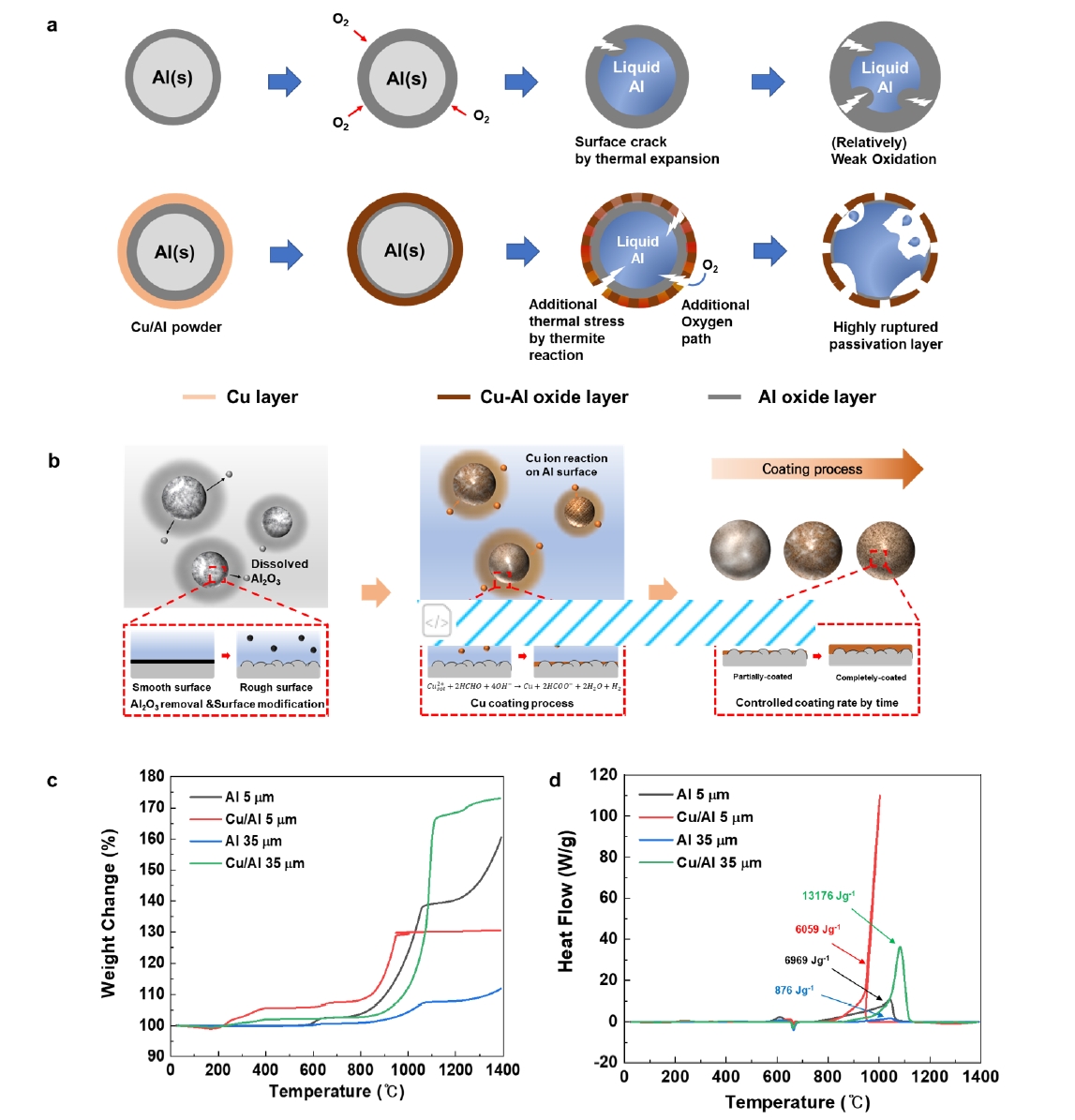
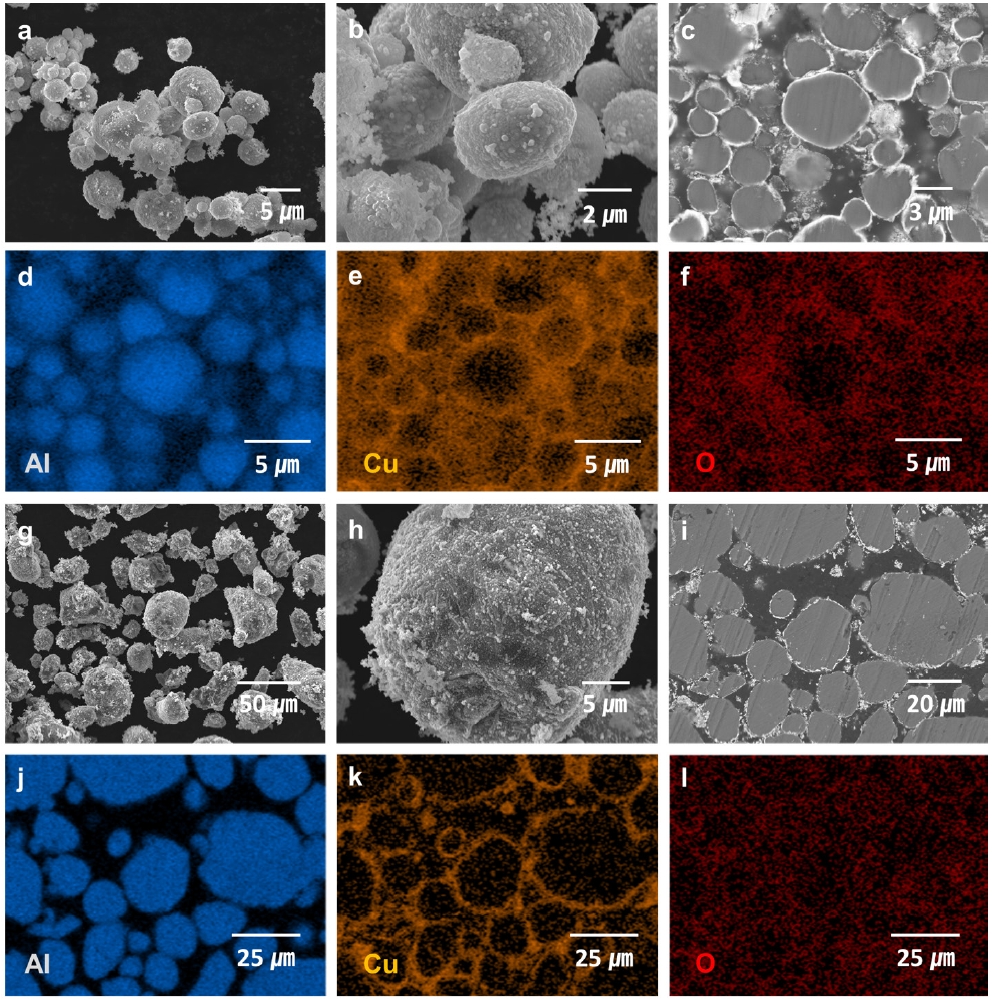
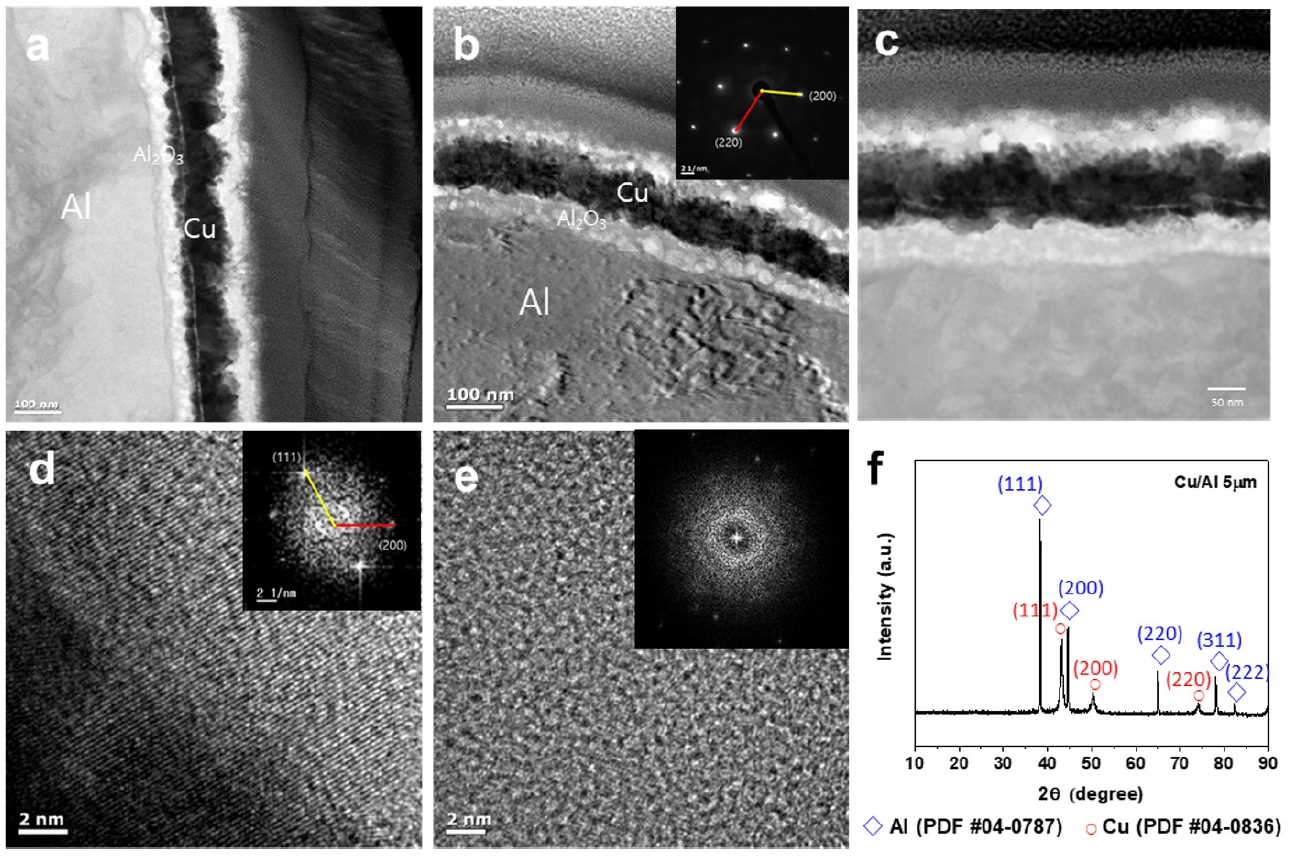
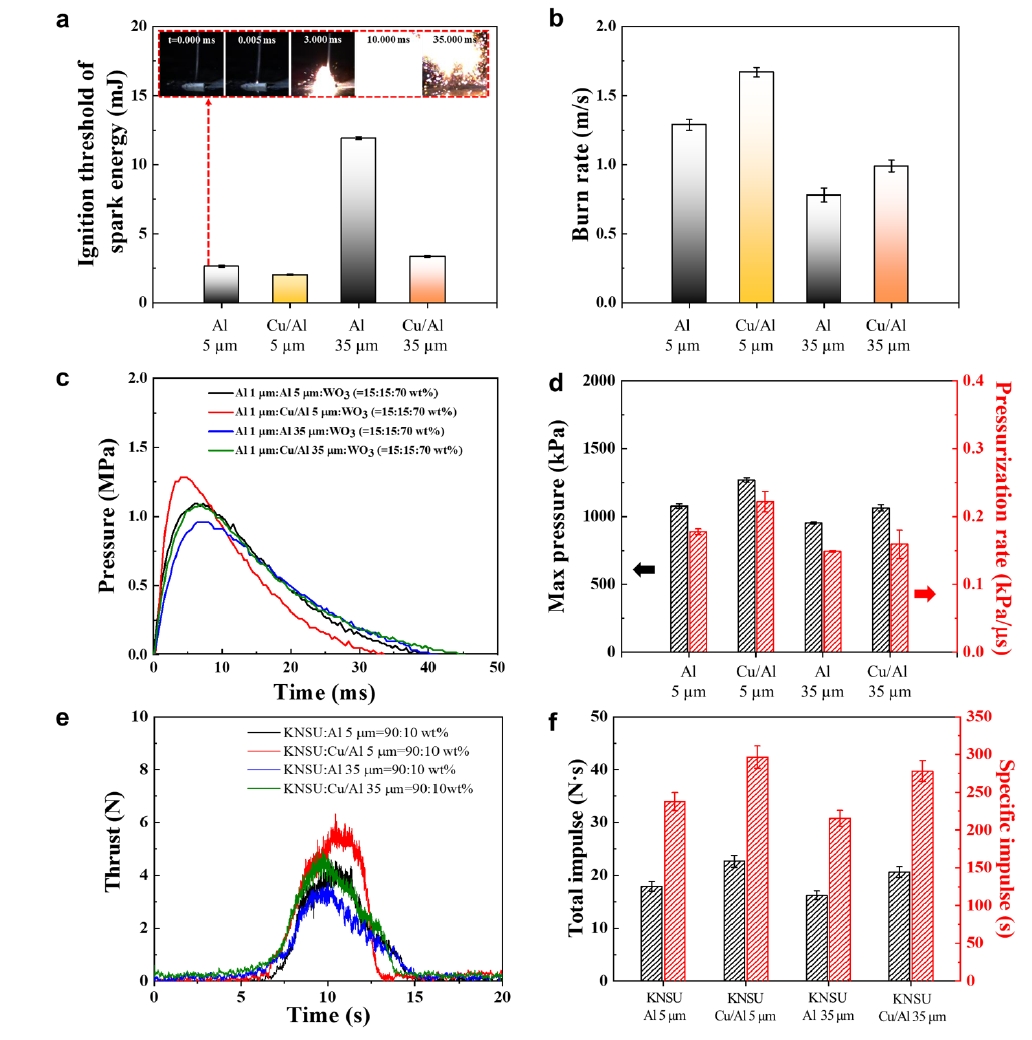
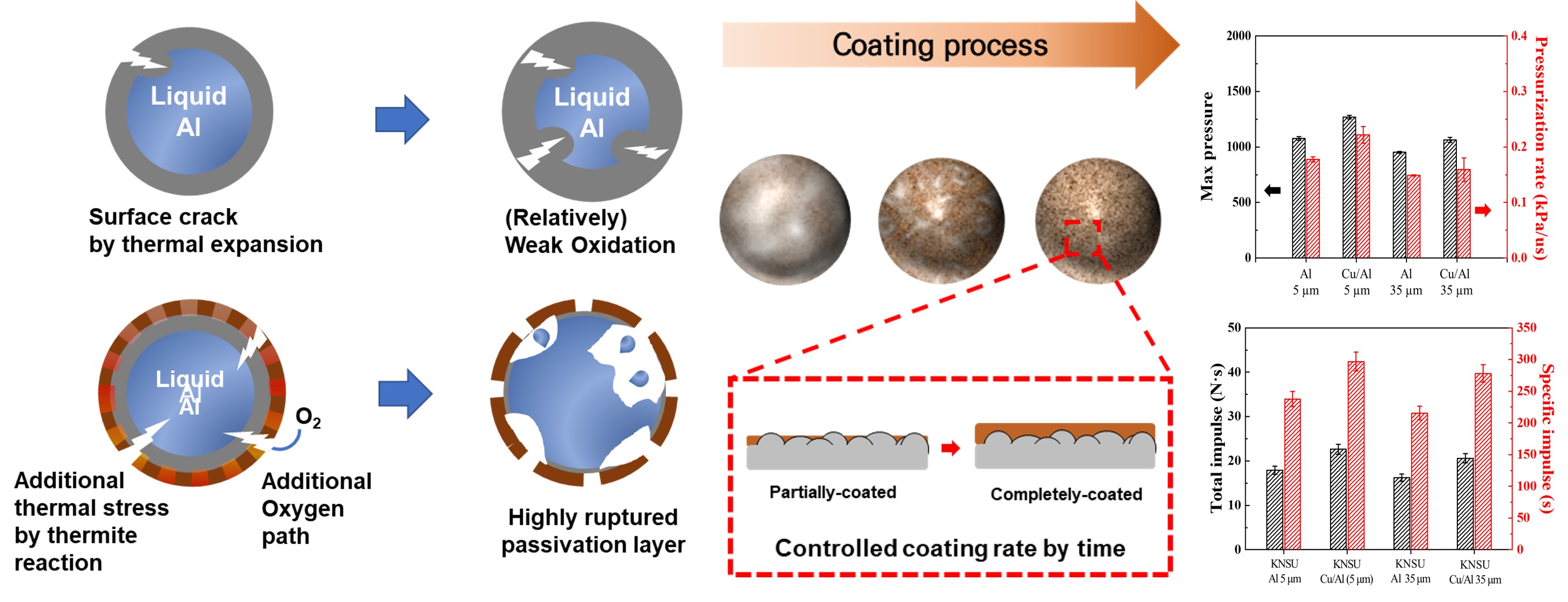
Fig. 1.
Fig. 2.
Fig. 3.
Fig. 4.
Graphical abstract
TOP

